Testing
Identify Issues Before They Reach Your Users
Rigorous testing helps identify functionality, performance, compatibility and usability issues before they affect your users. OSKY combines manual and automated testing to help organisations deliver reliable websites, applications and digital platforms across different devices, browsers and usage scenarios.
How we can help
- Functional & Regression Testing – Test key functionality and confirm that updates or changes haven’t introduced unexpected issues elsewhere in your website or application.
- Automated Testing – Use repeatable automated tests to efficiently validate functionality and identify issues throughout development and ongoing releases.
- Performance & Load Testing – Assess how your website or application performs under different levels of traffic and demand, helping identify potential performance bottlenecks.
- Cross-Browser & Device Testing – Test digital experiences across browsers, screen sizes and devices to identify compatibility and usability issues.
How we work
From idea to launch, and beyond
We work collaboratively from discovery through to launch, bringing strategy, design and development together to create digital platforms built for the long term.
Initial Discussion
We start with a short discussion to understand your website or application, what you need tested, and any specific concerns, priorities or risks you would like us to focus on.
Define the Testing Scope
Our team confirms the scope of testing based on your platform, key features and user journeys, along with the areas or issues that need particular attention.
Access & Preparation
We gather the access needed to begin testing, which may include a website or application URL, staging or sandbox environment, and test login credentials for relevant user roles.
Testing
Our testers assess the agreed areas of your website or application using the appropriate testing approach for the defined scope and requirements.
Findings & Reporting
Issues identified during testing are documented and communicated clearly, giving your team visibility of the findings and areas requiring attention.
Technical Collaboration
Where questions arise during testing, we work with your nominated technical contact to clarify functionality, requirements or expected behaviour and support an efficient testing process.
Testing Built Around Real-World Performance
Effective testing goes beyond checking whether something works as expected. OSKY combines manual and automated testing to assess functionality, performance, compatibility, usability and security, helping identify issues before they affect your users.

Testing can support both new and existing digital platforms. Whether we’re testing as part of an OSKY development project or assessing a solution built elsewhere, our focus is on identifying issues, reducing risk and helping deliver a reliable experience for users.
Featured work
Our Testing Work
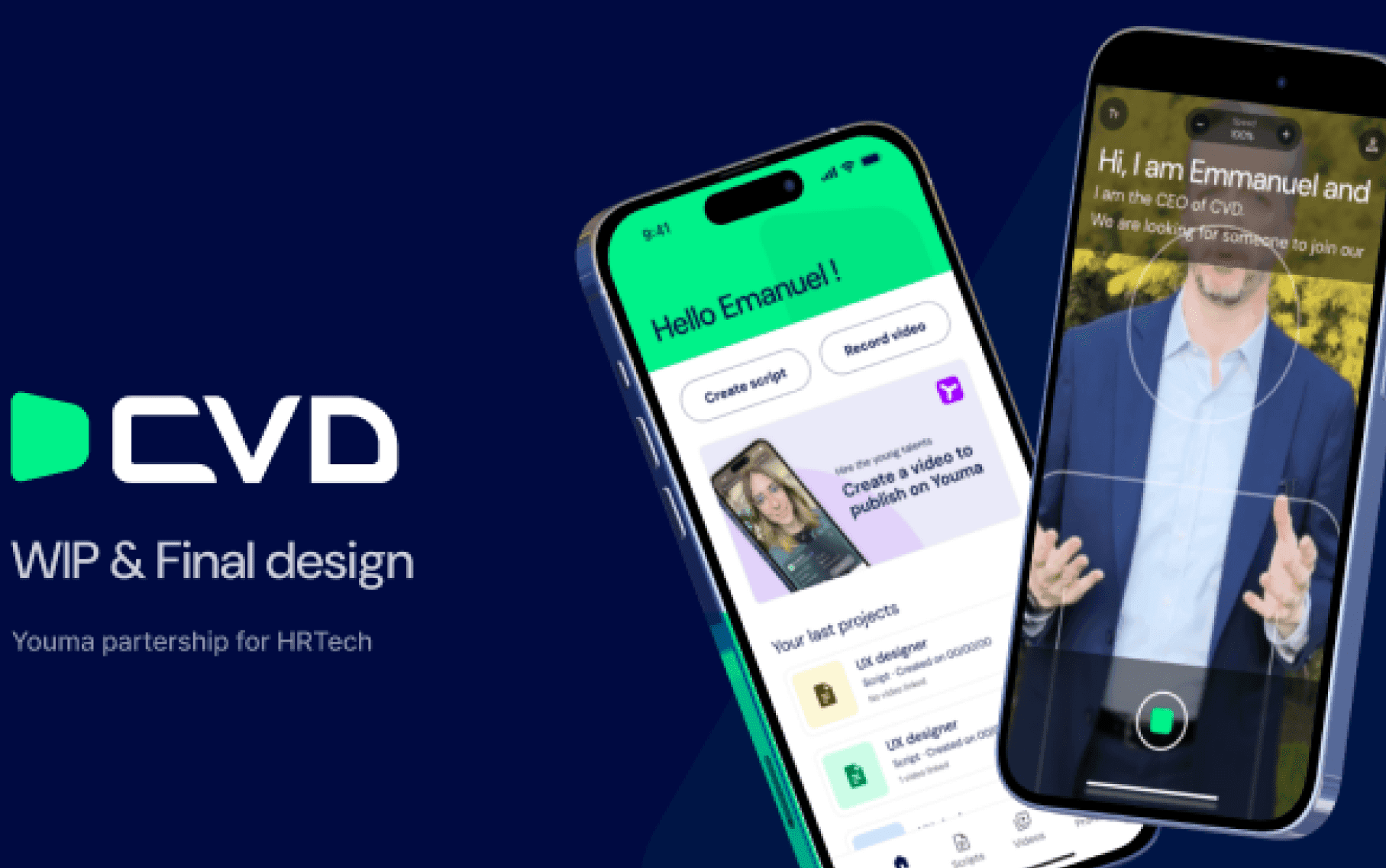
Curriculum Vidae (CVD) App Version 2




Why organisations choose osky
Why Choose OSKY
Testing is most effective when it considers the wider digital environment, not just individual features. Our testing team works alongside OSKY’s development, design, security and infrastructure specialists to identify issues and understand how they may affect the overall user experience.
Manual & Automated Testing
Combining different testing approaches to identify issues across functionality, performance and user experience.
Development Expertise In-House
Direct access to experienced developers helps provide technical context when issues are identified.
Testing Across the Digital Experience
Functional, performance, compatibility, usability and security considerations can be assessed as part of a broader testing approach.
Independent Testing Available
We can test websites, applications and digital platforms developed by OSKY or by another provider.
Government & NFP Experience
Extensive experience delivering digital projects for government agencies, not-for-profits and membership organisations.
End-to-End Digital Expertise
Testing is supported by expertise across business analysis, design, development, security, hosting and ongoing support.

FAQs
Testing FAQs
Answers to common questions about our testing process, timelines, technologies and ongoing support.
QCan OSKY test a website or application developed by another provider?
Yes. OSKY can provide testing for existing websites, applications and digital platforms, including solutions developed by another provider. Independent testing can help identify functionality, performance, usability, compatibility and security issues before launch or as part of ongoing improvements. Testing can also be incorporated into an OSKY development project where required.
QWhat is the difference between manual and automated testing?
Manual testing involves QA specialists manually checking a website or application to identify issues and confirm that functionality works as expected. Automated testing uses specialised tools and scripts to perform repeatable checks automatically. Both approaches have different strengths and can be used together to provide more comprehensive testing coverage.
QWhen should website or application testing take place?
Website or application testing should take place throughout the development lifecycle, not only before launch. At OSKY, testing is particularly important during development, before major releases or updates, after significant changes, and periodically after launch to confirm that functionality continues to work as expected.
QWhat is regression testing and why is it important?
Regression testing checks that changes to a website, application or digital platform haven’t caused previously working functionality to break. It is particularly important when introducing new features, fixing bugs, updating software or making changes to existing functionality. By retesting affected areas after changes are made, regression testing can help identify unintended issues before they affect users.
QHow do you decide which browsers and devices to test?
Browser and device testing should reflect how a website or application is actually used. At OSKY, we select browsers, devices, operating systems and screen sizes based on the target audience and platform requirements. This typically includes common desktop and mobile browsers, with additional testing for specific devices or environments that are important to users.